SEO in 2026: What Small Business Owners Need to Fix on Their Website Now
SEO has changed.
A few years ago, many business owners thought SEO was mainly about adding keywords to a website, writing a few blog posts, and waiting for Google to notice.
Today, it is very different.
In 2026, your website is no longer just a digital brochure. It is one of the most important business assets you have.
Your website helps Google understand your business.
It supports your Google Business Profile.
It helps potential clients decide whether they trust you.
And now, it can also help AI search tools understand who you are, what you offer, and when to recommend you.
This is where traditional SEO, local SEO and GEO, Generative Engine Optimisation, all come together.
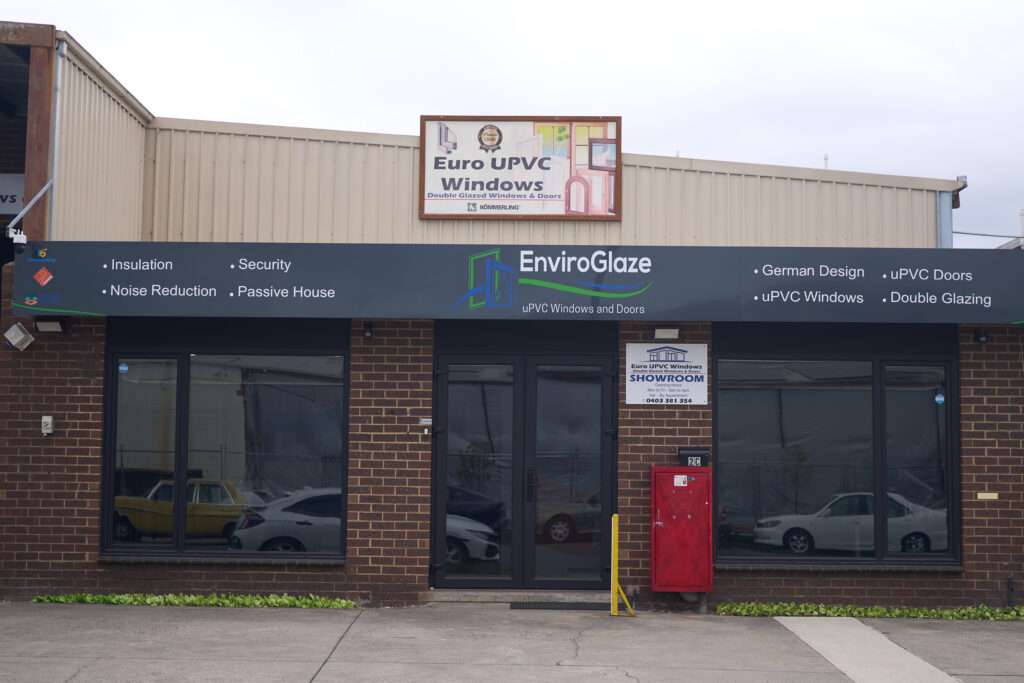
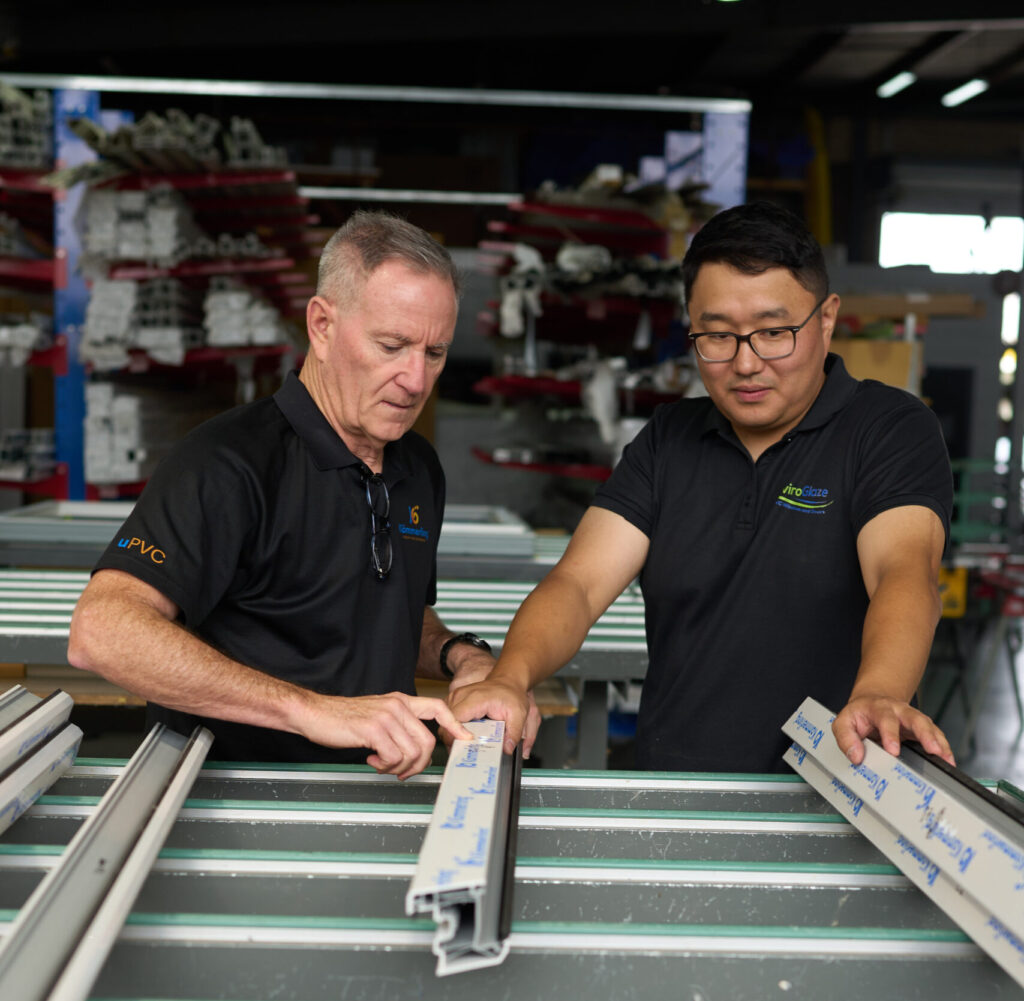
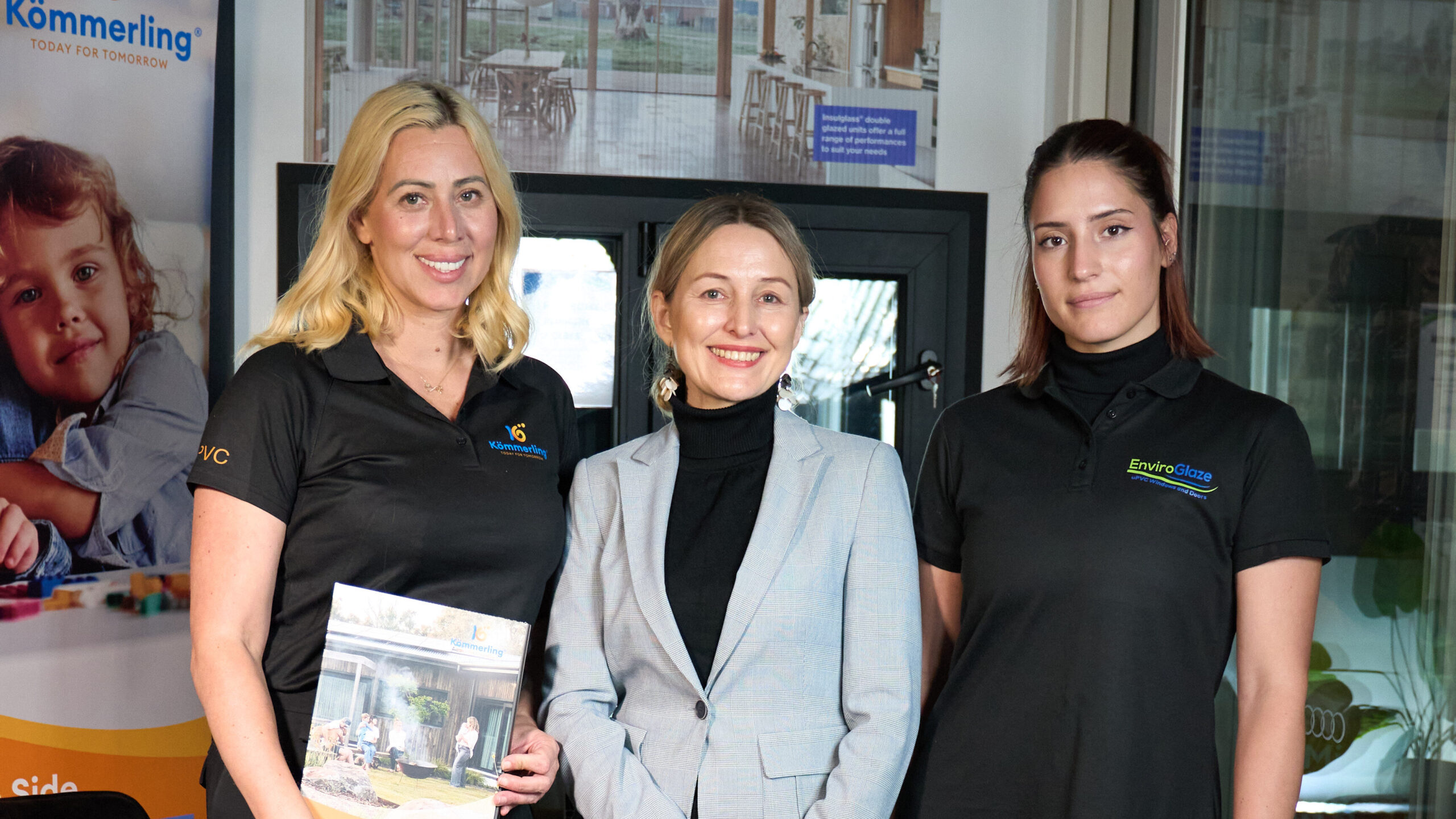
Recently, we worked on a website and SEO structure for EnviroGlaze, a uPVC double-glazed windows and doors company in Melbourne.
Before the changes, their visibility in search was very low.
After we reviewed the website, created a list of what needed to be fixed, and worked with the SEO team to implement those changes, EnviroGlaze started appearing at the top of Google Places for an important commercial search query: uPVC windows Melbourne.
For a business, this is not just a nice result.
This means that when a potential customer is actively searching for exactly what the company offers, the business has a much higher chance of being seen, contacted and trusted.
So what actually changed?
And more importantly, what can other small business owners learn from this?
SEO is not just technical anymore
Traditional SEO is still important.
Your website still needs correct page titles, meta descriptions, headings, internal links, fast loading speed, mobile-friendly pages and proper indexing.
But in 2026, that is only the foundation.
Search engines are now trying to understand the full picture of your business.
They want to know:
What do you do?
Where do you do it?
Who do you help?
Can people trust you?
Is your information clear and consistent?
Do your website, Google Business Profile and online presence all say the same thing?
And now there is another layer.
AI tools, such as ChatGPT, Gemini and other AI search platforms, are also reading online information differently. They look for clear, structured, useful and trustworthy content.
This is why GEO, Generative Engine Optimisation, is becoming so important.
What is GEO?
GEO stands for Generative Engine Optimisation.
In simple words, SEO helps your business appear in search engines like Google.
GEO helps your business become easier for AI tools to understand, summarise and potentially recommend.
For example, a customer may no longer search only:
“uPVC windows Melbourne”
They may ask an AI tool:
“Who installs energy efficient uPVC double glazed windows in Melbourne?”
“What is the best type of window for reducing noise in my home?”
“Which local company can replace old windows with double glazing?”
AI needs clear information to answer those questions.
If your website is vague, messy or missing important details, AI tools may not understand your business properly.
But if your website clearly explains your services, locations, process, experience and customer benefits, you have a much better chance of being included in future AI-driven search results.
What should you fix on your website in 2026?
Here are the key areas every small business owner should look at.
1. Make it clear what you do within the first few seconds
This sounds simple, but many websites fail here.
A visitor should land on your homepage and immediately understand:
What service do you offer?
Where are you based?
Who do you help?
Why should they trust you?
What should they do next?
Avoid vague statements like:
“We provide high-quality solutions for modern living.”
That may sound nice, but it does not help Google, AI or your customer understand your business.
A clearer version would be:
“We supply and install uPVC double-glazed windows and doors in Melbourne.”
That one sentence is more powerful because it includes the service, the product and the location.
It helps humans.
It helps Google.
It helps AI.
2. Create separate pages for your main services
One of the most common SEO mistakes is putting all services on one page.
For example, if a business offers windows, doors, installation, replacement, noise reduction and energy efficiency solutions, but everything is written on one general page, Google may struggle to understand which page should rank for which search.
A better structure is to create separate pages for important services, such as:
uPVC windows Melbourne
Double glazed windows Melbourne
uPVC doors Melbourne
Sliding doors Melbourne
Energy efficient windows Melbourne
Window replacement Melbourne
Each page should focus on one clear topic.
This makes your website easier to understand, easier to rank and easier for customers to navigate.
3. Use clear headings and structure
A website should not only look good. It needs to be structured properly.
Each page should have:
A clear main heading
Useful subheadings
Short sections
Service explanations
Benefits
FAQs
A clear call to action
Think of your website page like a well-organised article.
If people can scan it easily, Google and AI can understand it more easily too.
Good structure is not just about design. It is part of SEO.
4. Add location signals
If you are a local business, your location matters.
It is not enough to mention your city once in the footer.
Your website should clearly explain the areas you service.
For local SEO, this can include:
Your main city
Nearby suburbs
Service areas
Project locations
Local case studies
Google Business Profile connection
Consistent address and phone number
For example, if your business works across Melbourne, Sydney or Brisbane, your website should make that clear in a natural way.
This helps with searches like:
“service near me”
“business in Melbourne”
“best provider in Sydney”
“local company for…”
Local search is still one of the biggest opportunities for small businesses.
5. Connect your website with your Google Business Profile
Your website and Google Business Profile should work together.
They should not feel like two separate versions of your business.
Make sure your Google Business Profile has:
Correct business name
Correct phone number
Correct website link
Correct address or service area
Updated service categories
Photos and videos
Reviews
Posts and updates
Service descriptions
Then make sure your website matches this information.
When Google sees consistent information across your website and Google Business Profile, it can understand and trust your business more easily.
6. Add real trust signals
In 2026, trust is a major part of online visibility.
Your website should show that you are a real business run by real people.
Add:
Real project photos
Before and after examples
Client testimonials
Case studies
Team information
Years of experience
Business location
Service process
Frequently asked questions
Clear contact details
This is not only for Google.
It is for people.
Even if someone finds you in search, they still need to feel confident enough to contact you.
Trust signals help convert website visitors into leads.
7. Write content that answers real customer questions
Old SEO content was often written only for keywords.
New SEO content needs to be useful.
Your website should answer the questions your customers already have.
For example:
How long does the process take?
What is included in a quote?
What makes this service different?
What should the customer prepare before booking?
How does the product or service solve their problem?
What are the benefits?
What mistakes should customers avoid?
This type of content helps in three ways.
It improves your SEO.
It builds trust with potential customers.
It gives AI search tools better information to understand your business.
8. Make your website easy to use on mobile
Most people will visit your website from their phone.
If your website is slow, hard to read or confusing on mobile, you are losing leads.
Check:
Does the page load quickly?
Is the text easy to read?
Are the buttons easy to click?
Can people call you easily?
Can they request a quote without searching for the form?
Does the website look professional on a phone?
SEO is not just about ranking. It is also about what happens after someone lands on your website.
9. Make the next step obvious
Every page on your website should have a clear call to action.
Do you want people to call?
Book a consultation?
Request a quote?
Send an enquiry?
Visit your showroom?
Download a guide?
Do not make people guess.
If someone is ready to contact you, the website should make that step easy.
A strong website does not just attract visitors. It turns visitors into enquiries.
10. Think about Google and AI at the same time
This is the biggest shift.
In 2026, business owners need to think beyond traditional Google rankings.
Your website should be clear enough for:
Customers
Google
Google Maps
AI search tools
Voice search
Social platforms
Future search experiences
This means your content should be simple, structured and specific.
Do not try to sound clever.
Be clear.
Explain what you do.
Explain who you help.
Explain where you work.
Explain why your business is trusted.
Explain what the customer should do next.
Clear content wins.
What small business owners should do now
If you have a website, start with a simple audit.
Ask yourself:
Can people understand what I do in five seconds?
Do I have separate pages for my main services?
Does my website mention my location clearly?
Is my Google Business Profile fully updated?
Do I have real photos, reviews and case studies?
Is my website easy to use on mobile?
Do I answer the questions my customers actually ask?
Is it easy to request a quote or contact me?
If the answer is no, this is where your SEO work should begin.
The main lesson
SEO in 2026 is not just about keywords.
It is about clarity, structure, trust and consistency.
A good website should help people understand your business.
It should help Google understand your business.
It should help AI understand your business.
And most importantly, it should help turn visitors into real enquiries.
The businesses that will win online are not always the ones with the most beautiful websites.
They are the ones with websites that are clear, useful, structured and aligned with how people search today.
At 105Ideas, we help small businesses improve their online presence through content, SEO, GEO, Google Business Profile optimisation, LinkedIn and social media marketing.
If your website looks good but does not bring enough enquiries, it may not need a complete rebuild.
It may need better structure, clearer messaging and a stronger SEO and GEO strategy.